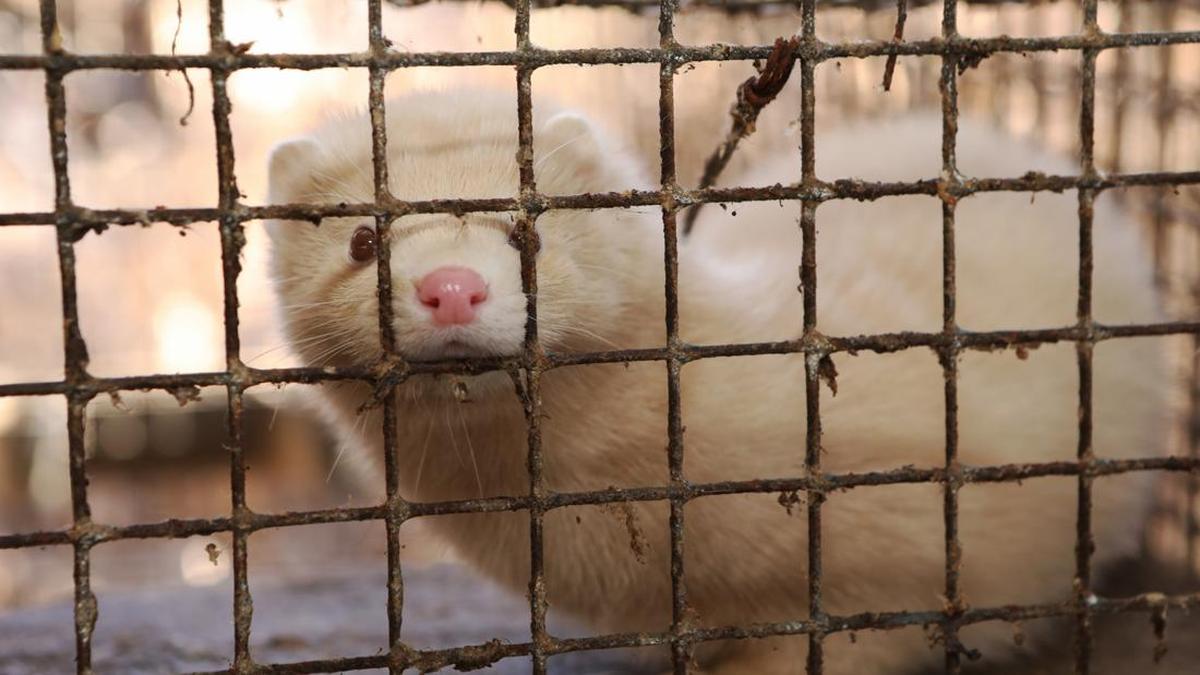
Bird flu has been spreading for more than two months at a mink farm in Utah, and influenza specialists say the outbreak could raise the risk of a human pandemic, according to detikHealth. The outlet reports that local authorities have not taken serious steps to stop the spread, citing a ProPublica investigation published on October 26, 2026.
The outbreak is at C&T Fenn Farms, a facility that raises thousands of mink for their fur, located roughly an hour's drive south of Salt Lake City, detikHealth reports.
Why it matters
The bird flu virus has circulated on US farms for the past four years and has killed two people who caught it from infected animals, according to detikHealth. So far there is no evidence the virus spreads sustainably between people.
The virus is still adapted to infect bird cells rather than cells in the human respiratory tract. To spread widely among people, it would need changes that let it infect the airways and transmit through coughing or sneezing. Experts warn that mutations could bring about those changes.
One feared scenario involves an intermediate animal that is susceptible both to bird flu and to viruses that infect humans. Under certain conditions, mutations could produce a new variant able to cross the species barrier.
Mink are considered a particular concern. Their lungs and respiratory tracts share cellular characteristics very similar to those of humans, and they are known to catch and pass on other influenza viruses. They have also been infected with COVID-19. Farms where thousands of animals live in close quarters are seen as raising the odds that a virus spreads and undergoes genetic change.
A slow official response
According to detikHealth, Utah agricultural authorities have known about mink deaths from bird flu at C&T Fenn Farms since mid-August. The information came from communication documents obtained under the state's public records law.
The state veterinarian, Amanda Price, sought help from the US Department of Agriculture, but the USDA said it has no specific regulatory authority over mink or over vaccines approved for the animals, detikHealth reports. Officials at the US Centers for Disease Control and Prevention spoke with some Utah health officials involved in the response, but the investigation found the CDC never spoke directly with Price, and Price did not contact the agency.
The absence of federal rules specifically covering bird flu in mink has complicated the response. Outbreaks in poultry follow clearer procedures: if a single chicken tests positive, US rules require the whole flock to be culled to keep the virus from reaching other farms and to protect public health, with compensation for the farmer. According to detikHealth, Utah never seriously considered culling the entire mink population.
Price told ProPublica the outbreak has hit the farm owner hard, describing the operation as the product of years of work. "This is his life's work that he is now watching fall apart," she said, according to detikHealth, and she asked the public to understand the human toll on the owner.
Fur trade representatives warned Price that culling would destroy the farm and damage the wider industry, since breeders need decades to develop mink lines with particular genetic traits. Price acknowledged that her options were limited. She said USDA officials did not press her to cull the mink or suggest that bird flu in these animals carries a higher risk than infections in other animals such as ducks and cattle.
Experts push for culling
Several influenza experts argue the government should move quickly to cull the mink, saying that step is important to halt transmission and reduce the chance of a new variant that could infect people. Tom Peacock, a researcher in avian influenza at the Pirbright Institute, said other countries facing H5N1 on fur farms have carried out culls relatively quickly.
"The fact that the first step wasn't to immediately cull the animals and figure out the issues later is very concerning to me," he said, according to detikHealth.
The investigation also found that farm workers were not actively monitored for bird flu symptoms, even though the CDC has guidance for monitoring people exposed to infected animals. The risk of exposure is considered significant: mink can sneeze, escape their cages and attack people who come near them. One worker at a nearby mink farm, speaking in Spanish, showed scars from such attacks. "You get scared because the damn animals bite and scratch," the worker told ProPublica, according to detikHealth.
In Washington state, health authorities are currently tracing contacts of a person who developed symptoms after exposure to dairy cattle infected with bird flu.
What to watch: whether Utah or federal agencies change course on culling or worker monitoring at C&T Fenn Farms, and whether the Washington state contact tracing turns up further human cases.